How big will your puppy get?
Enter your puppy’s age and weight to predict its adult size — purebred, mixed breed, or pick your breed below. This puppy weight estimator is built on veterinary growth standards.

Predicted adult weight
Fully grown—
likely —
Enter your puppy’s weight and age.
That doesn’t look right
Your puppy’s growth curve
Estimated weight as they grow up — the dot is where they are now.
| Age | Est. weight |
|---|
Good to know
General guidance only — an estimate, not veterinary advice. Always check with your vet about your pet’s growth, weight and diet.
How this was calculated
We use the age-percentage method: a puppy reaches a known fraction of its adult weight at a given age, and that fraction depends on its size class. So adult weight ≈ current weight ÷ the fraction of adult weight reached at this age. The fractions are anchored to published milestones — small breeds are ~25% of adult weight at 6 weeks, medium ~40% at 14 weeks, large ~50% at 20 weeks, giant ~50% at 24 weeks, and most dogs reach ~75% by 6 months. Predictions are typically accurate to within 10–15%, and tighten as your puppy gets older.
Source: WALTHAM Petcare Science Institute — puppy growth charts. Full method on our methodology page.
Built by the PawGauge team, reviewed against cited veterinary sources. Last reviewed 29 June 2026.
About our figures →Predict by breed
Each breed page sets the right growth curve and shows the typical adult range.
-

Labrador Retriever
55–80 lb · large
-
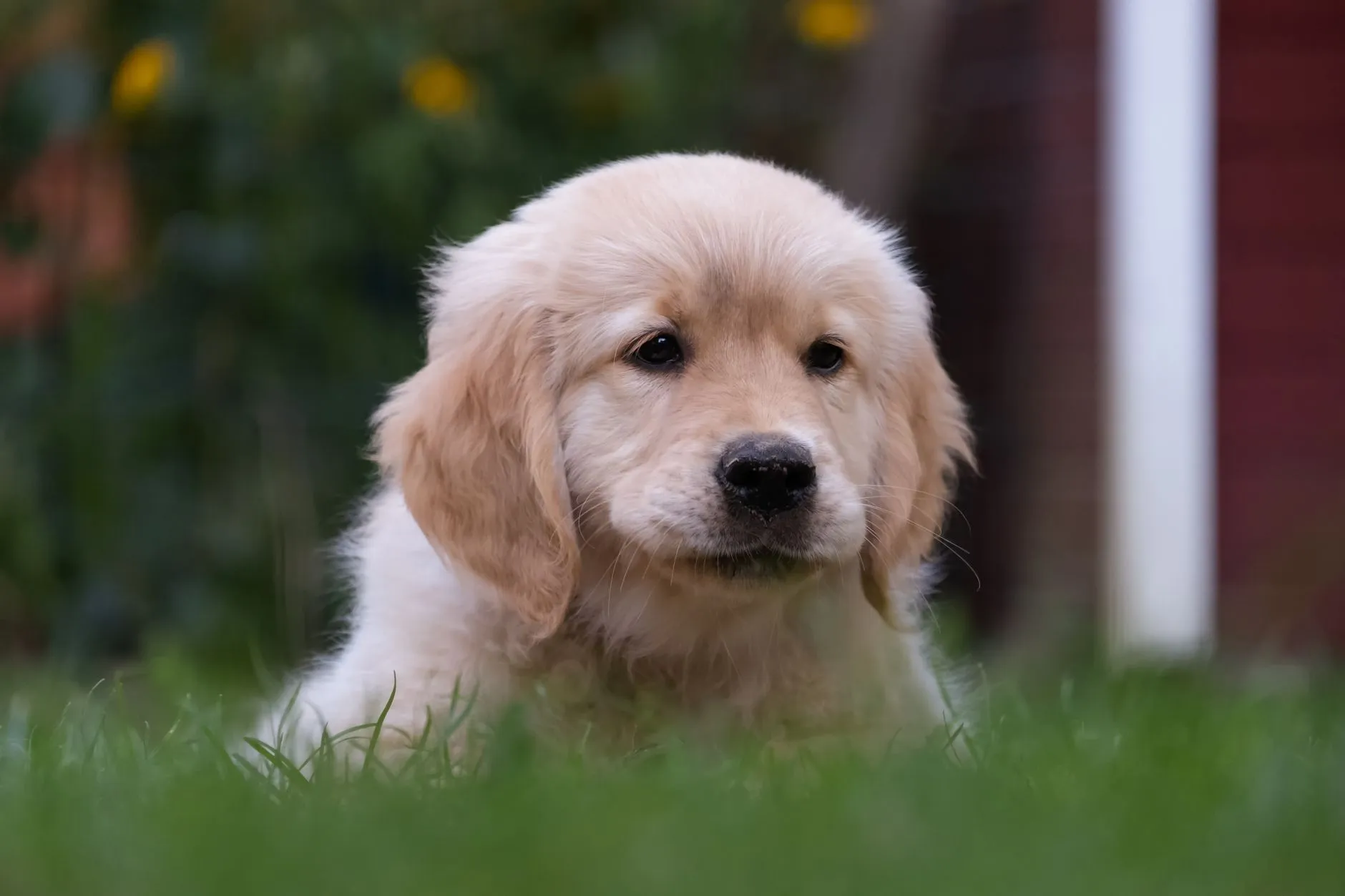
Golden Retriever
55–75 lb · large
-
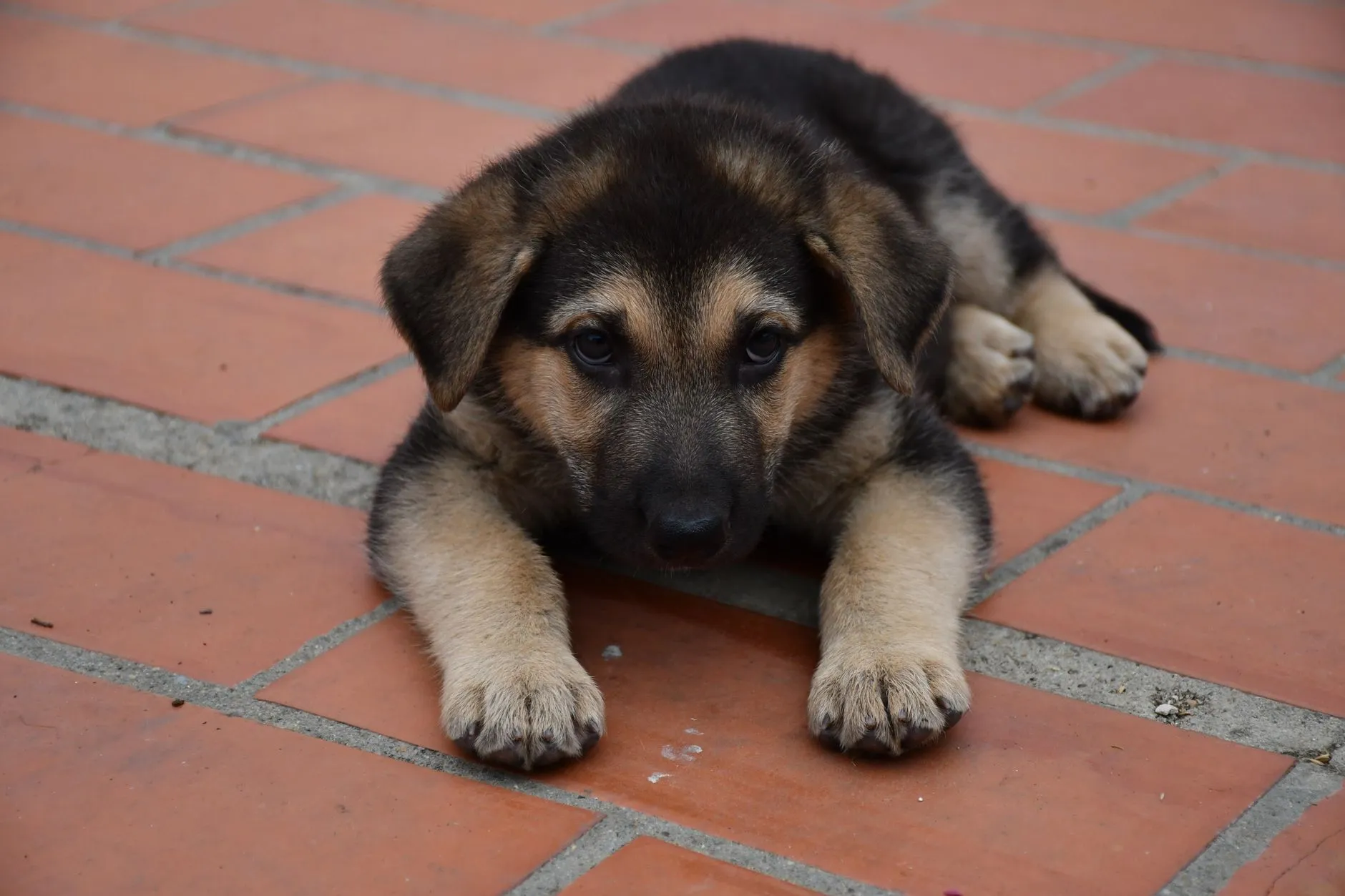
German Shepherd
50–90 lb · large
-
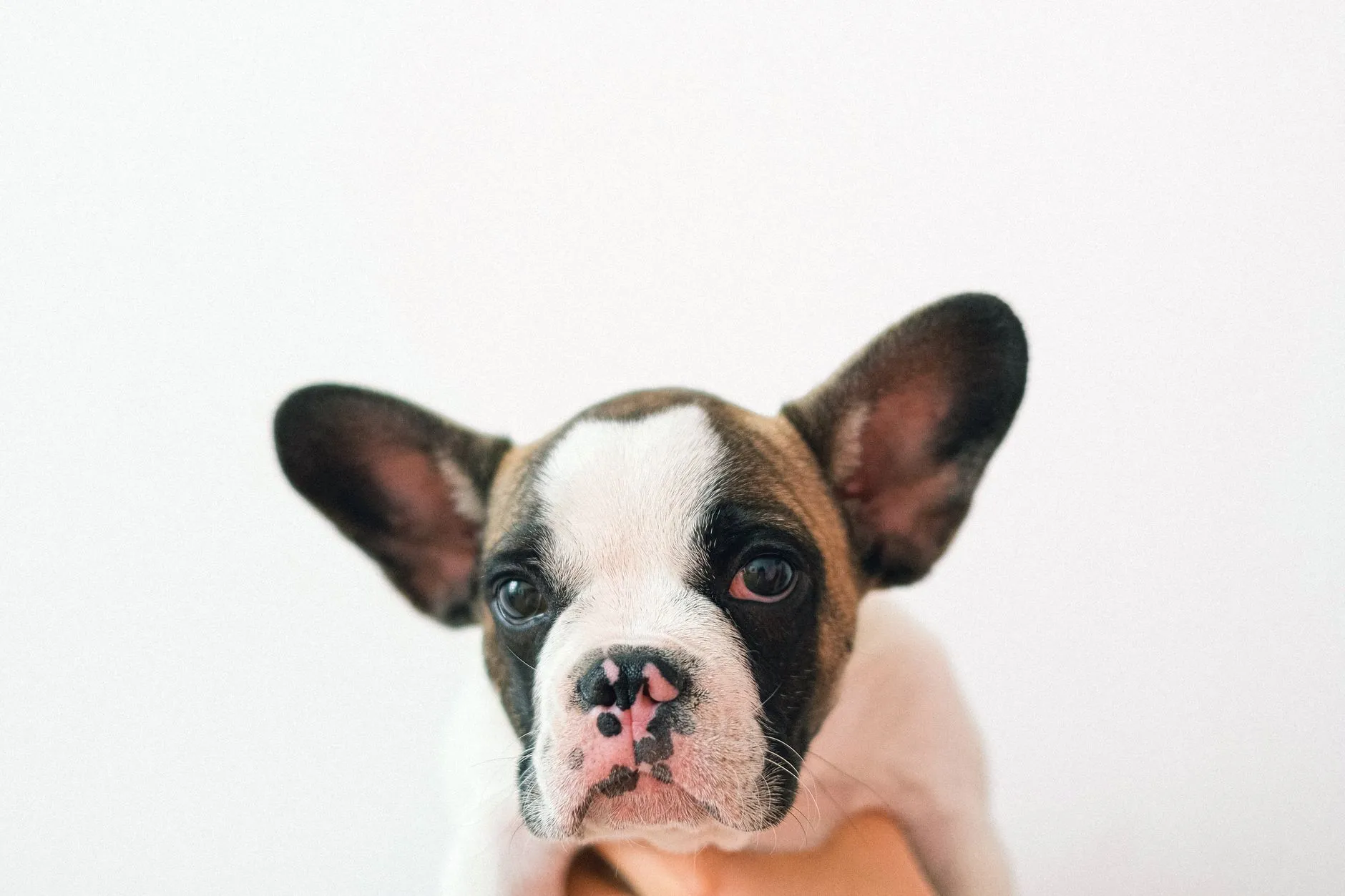
French Bulldog
16–28 lb · small
-
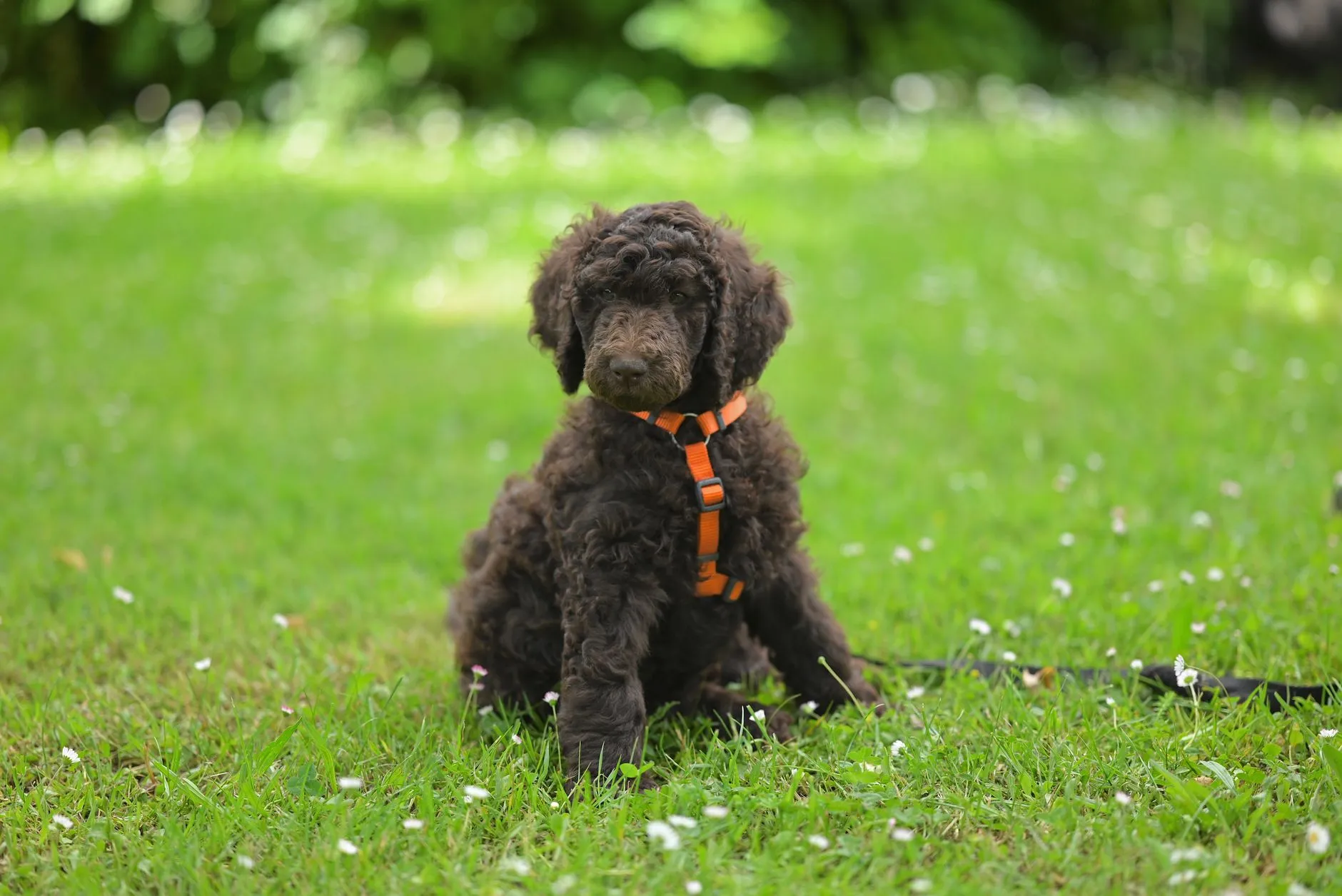
Standard Poodle
40–70 lb · large
-

Rottweiler
80–135 lb · large
-
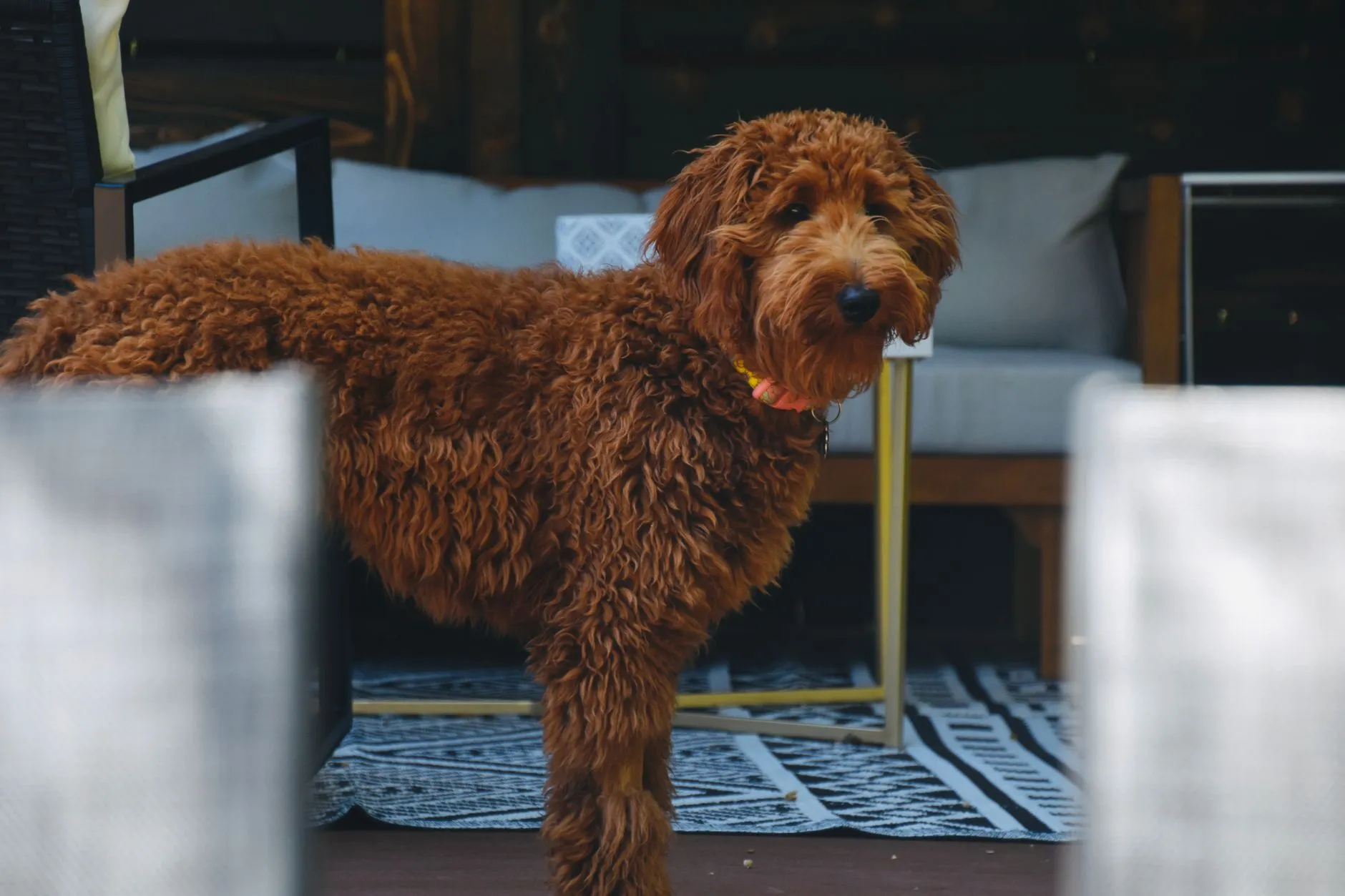
Goldendoodle
45–65 lb · large
-
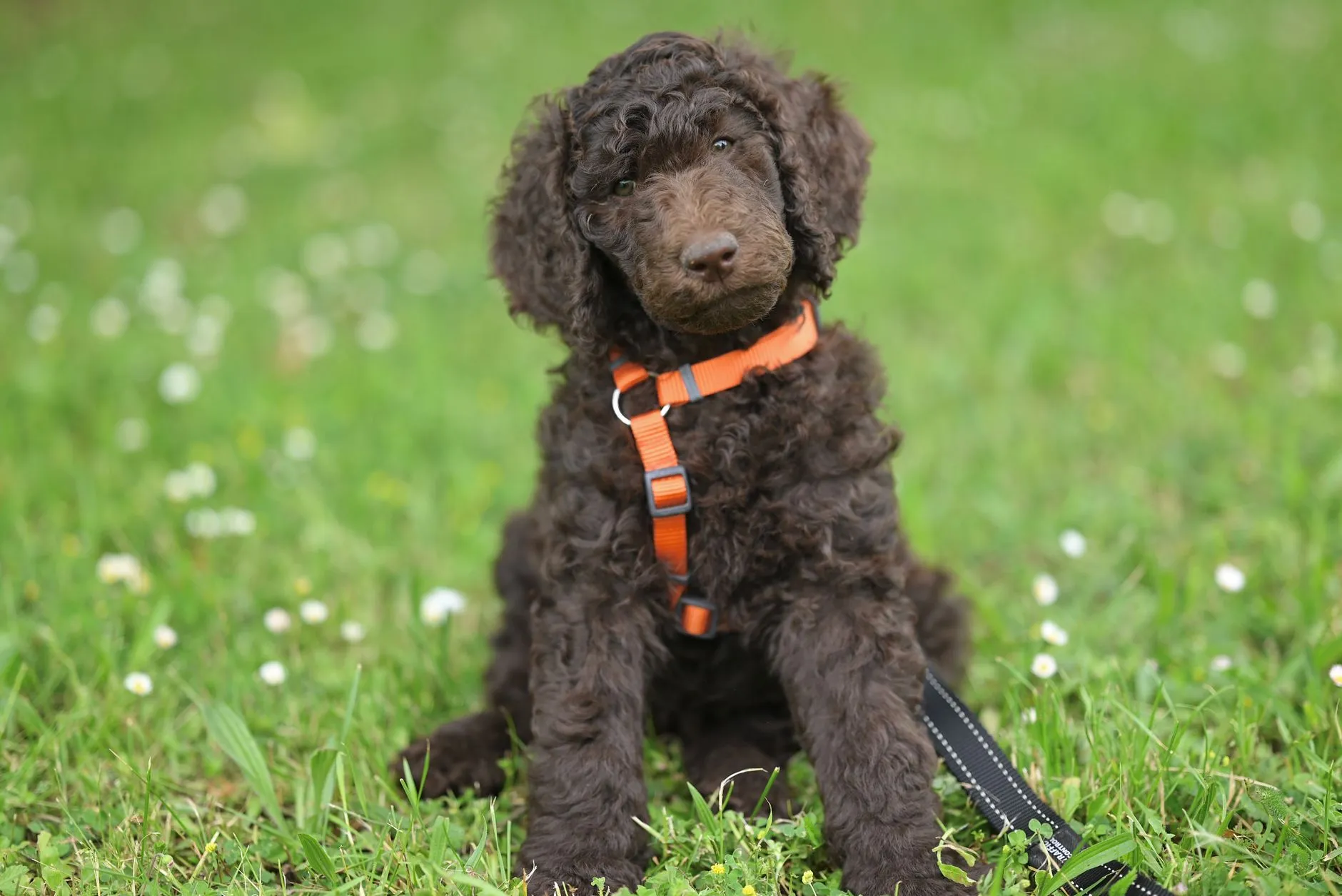
Labradoodle
50–65 lb · large
-
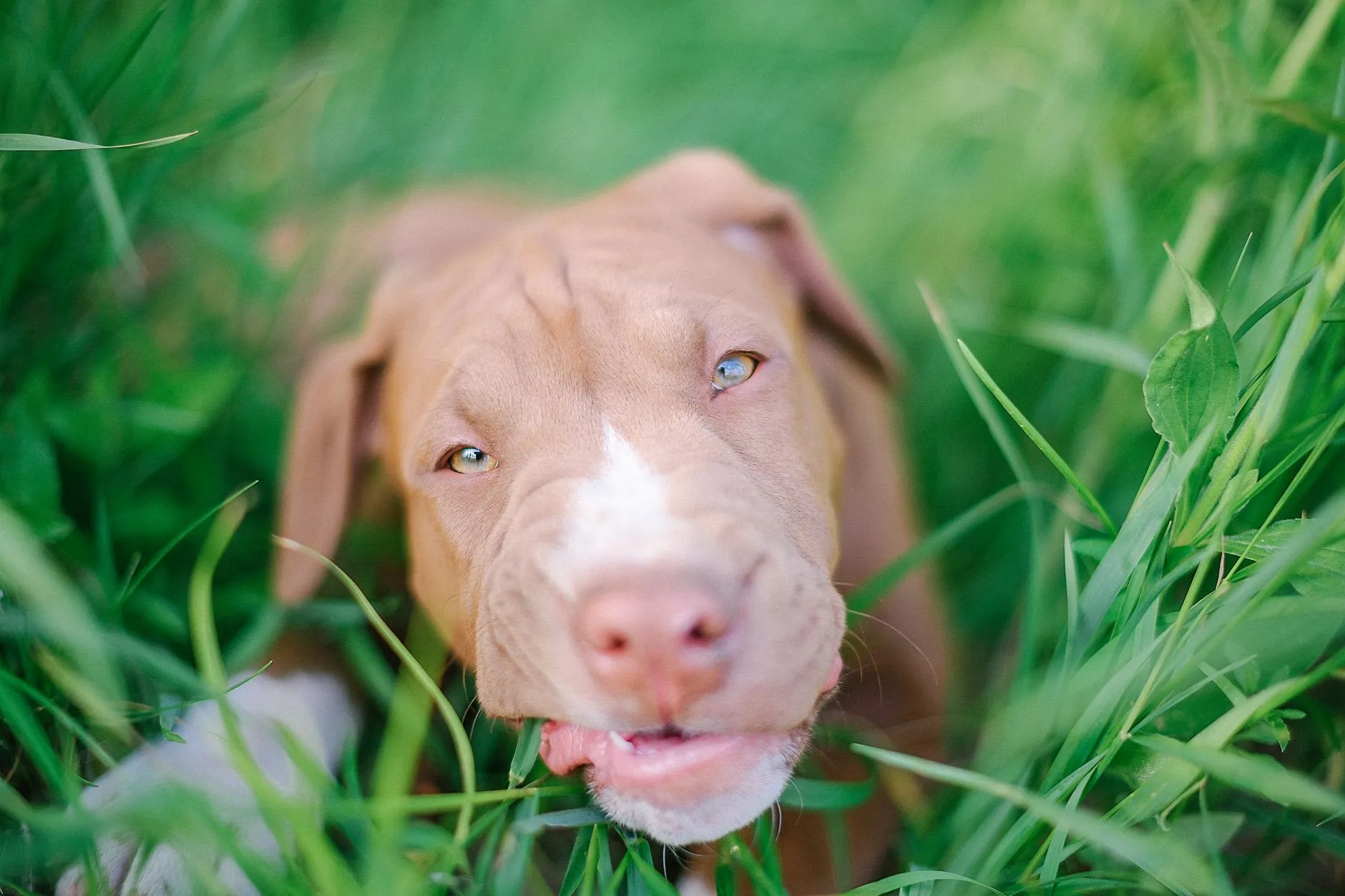
Pit Bull (American Pit Bull Terrier)
30–60 lb · medium
-

Boxer
50–80 lb · large
-

Siberian Husky
35–60 lb · medium
-
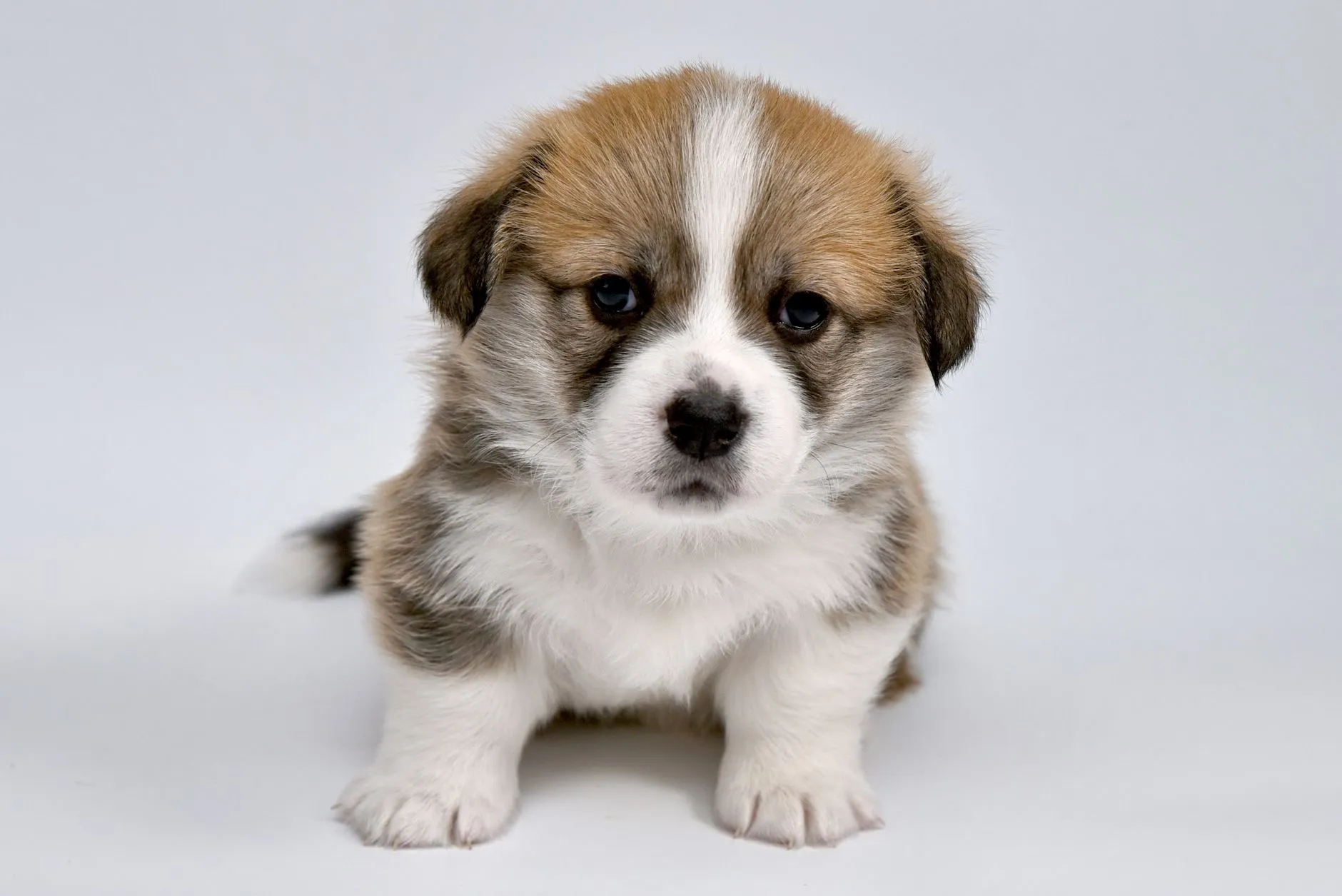
Pembroke Welsh Corgi
24–30 lb · small
-

Pomeranian
3–7 lb · toy
-
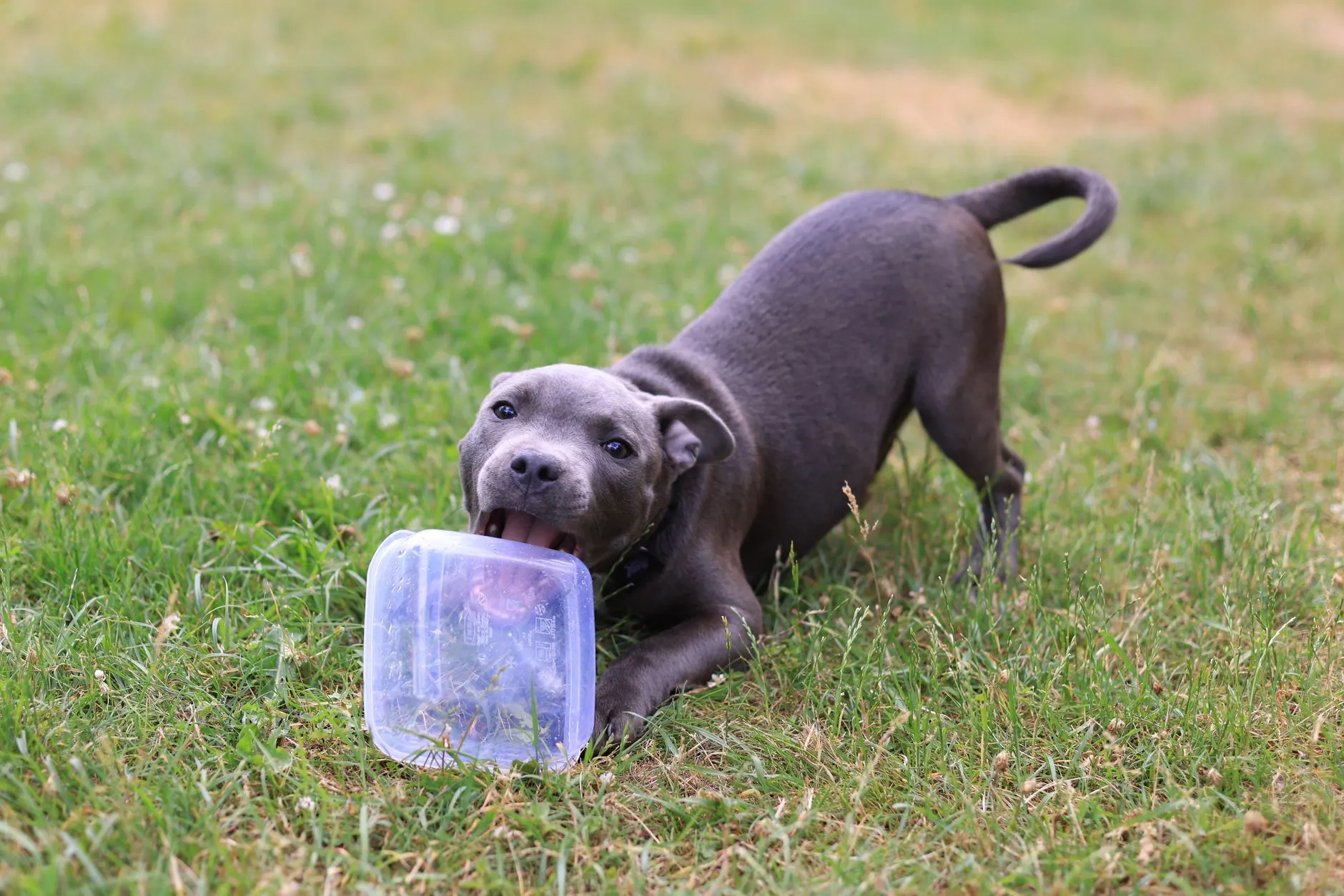
Staffordshire Bull Terrier
24–38 lb · medium
-
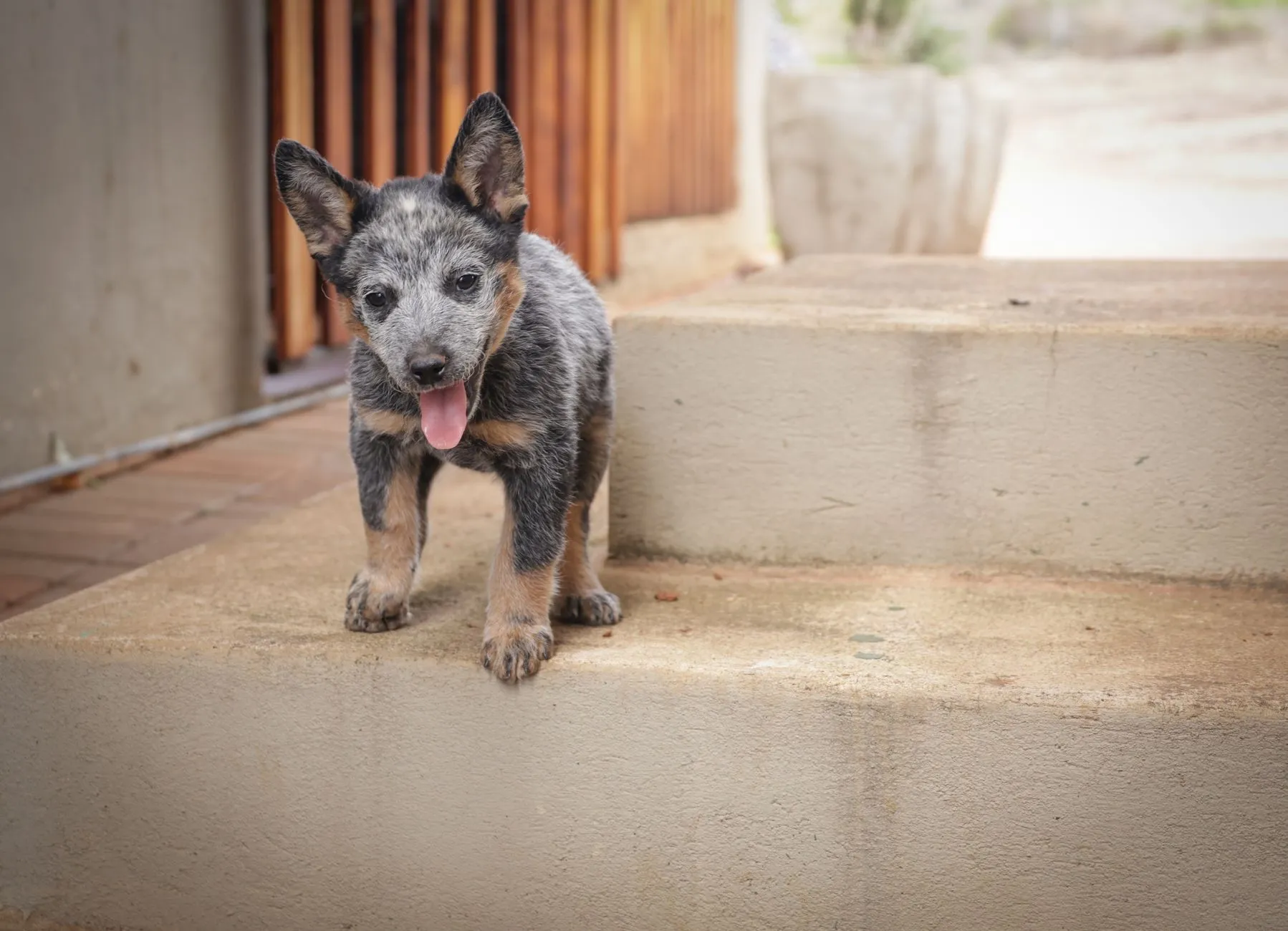
Australian Cattle Dog
35–50 lb · medium
-

Shih Tzu
9–16 lb · small
-
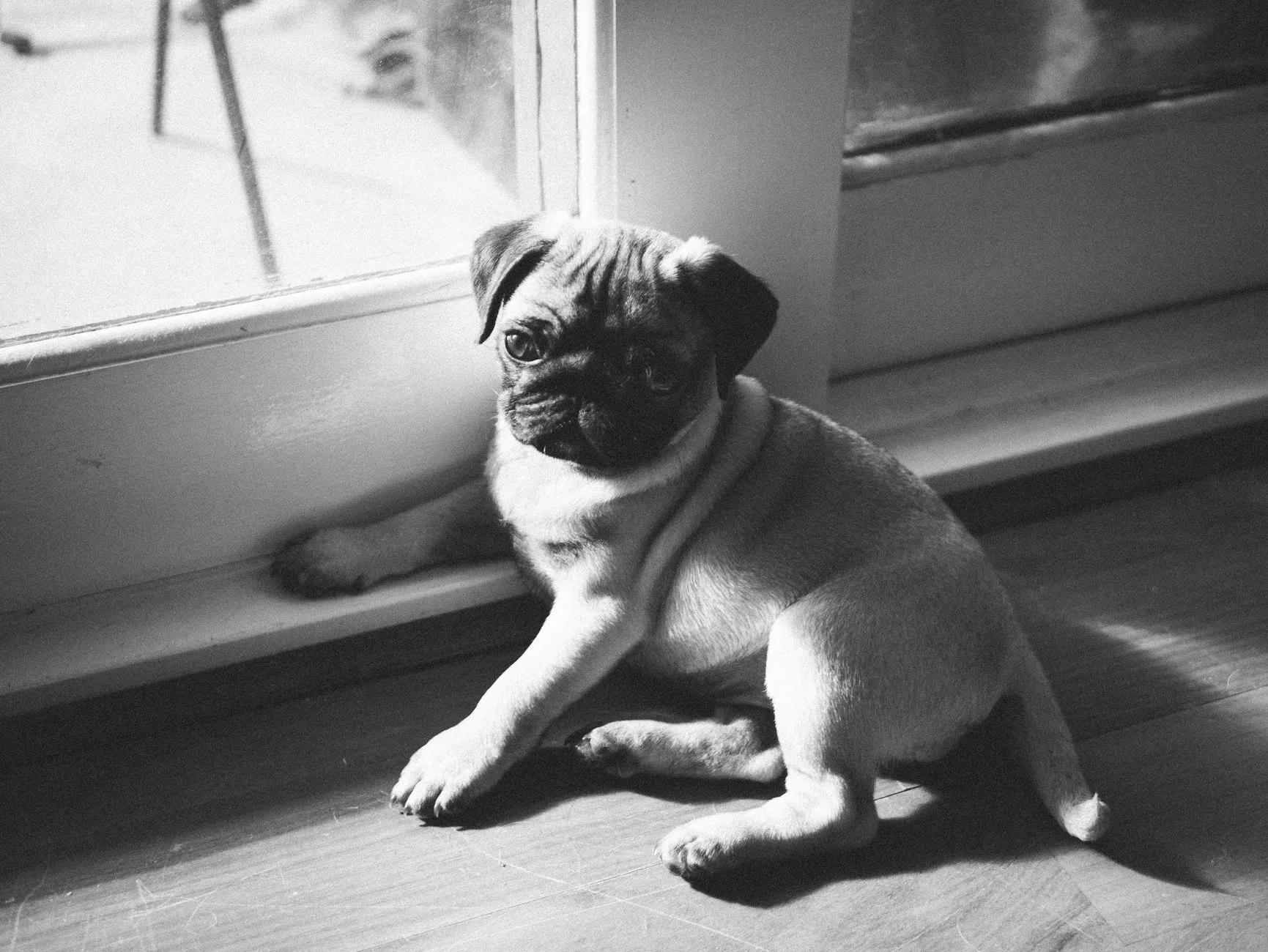
Pug
14–18 lb · small
-

Yorkshire Terrier
4–7 lb · toy
-

Chihuahua
2–6 lb · toy
-

Maltese
4–7 lb · toy
-
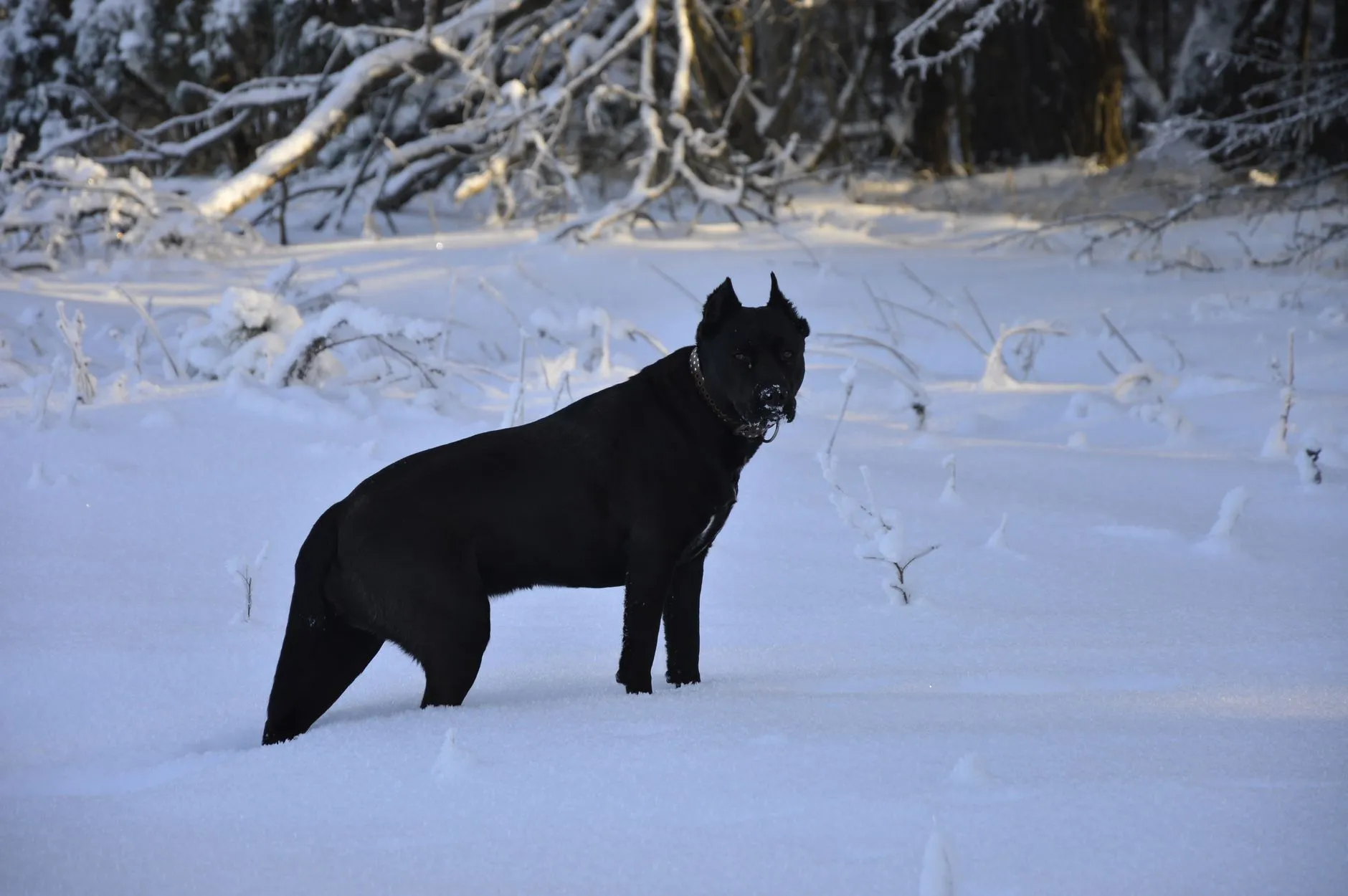
Cane Corso
88–110 lb · giant
-
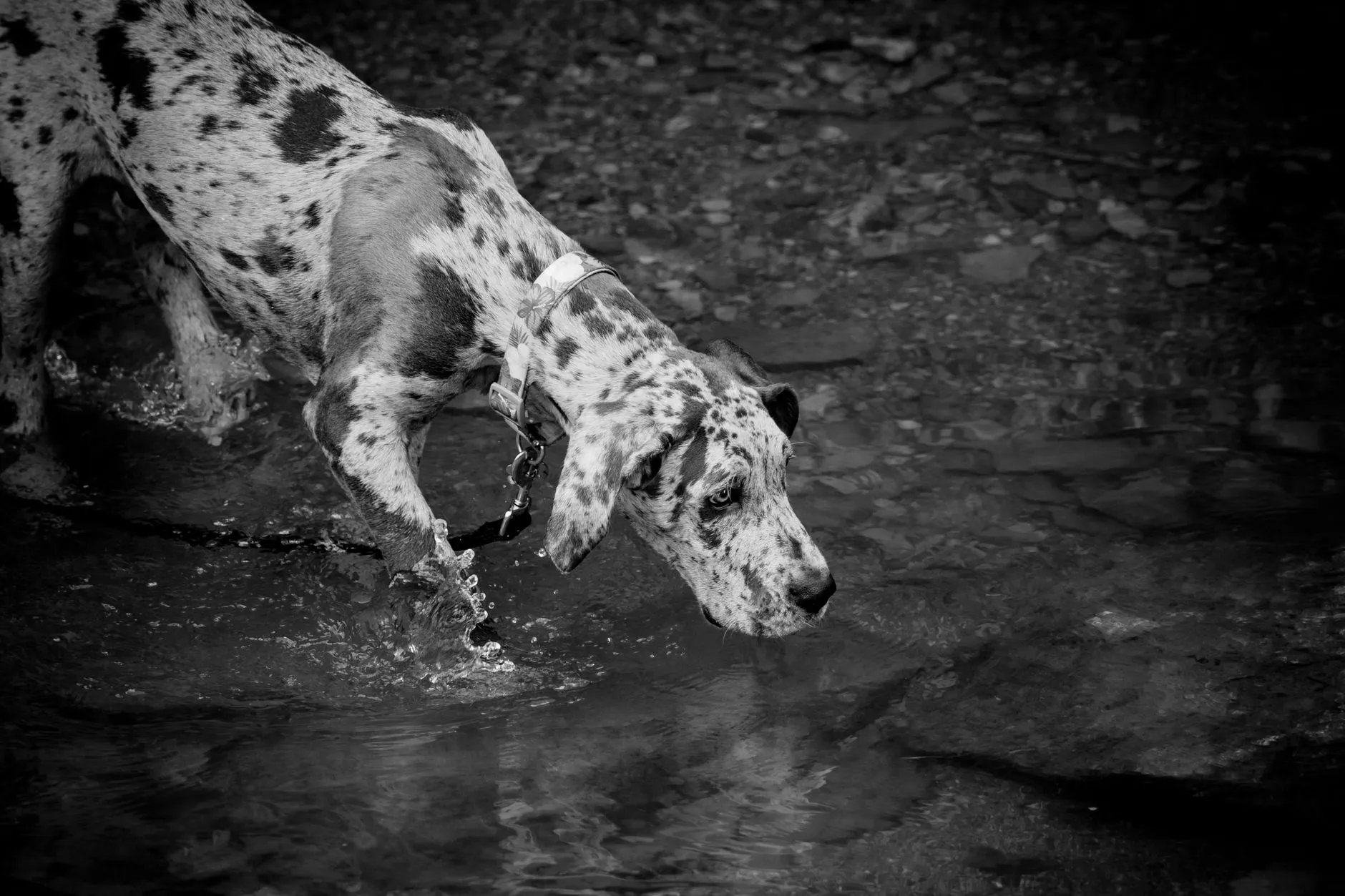
Great Dane
110–175 lb · giant
-
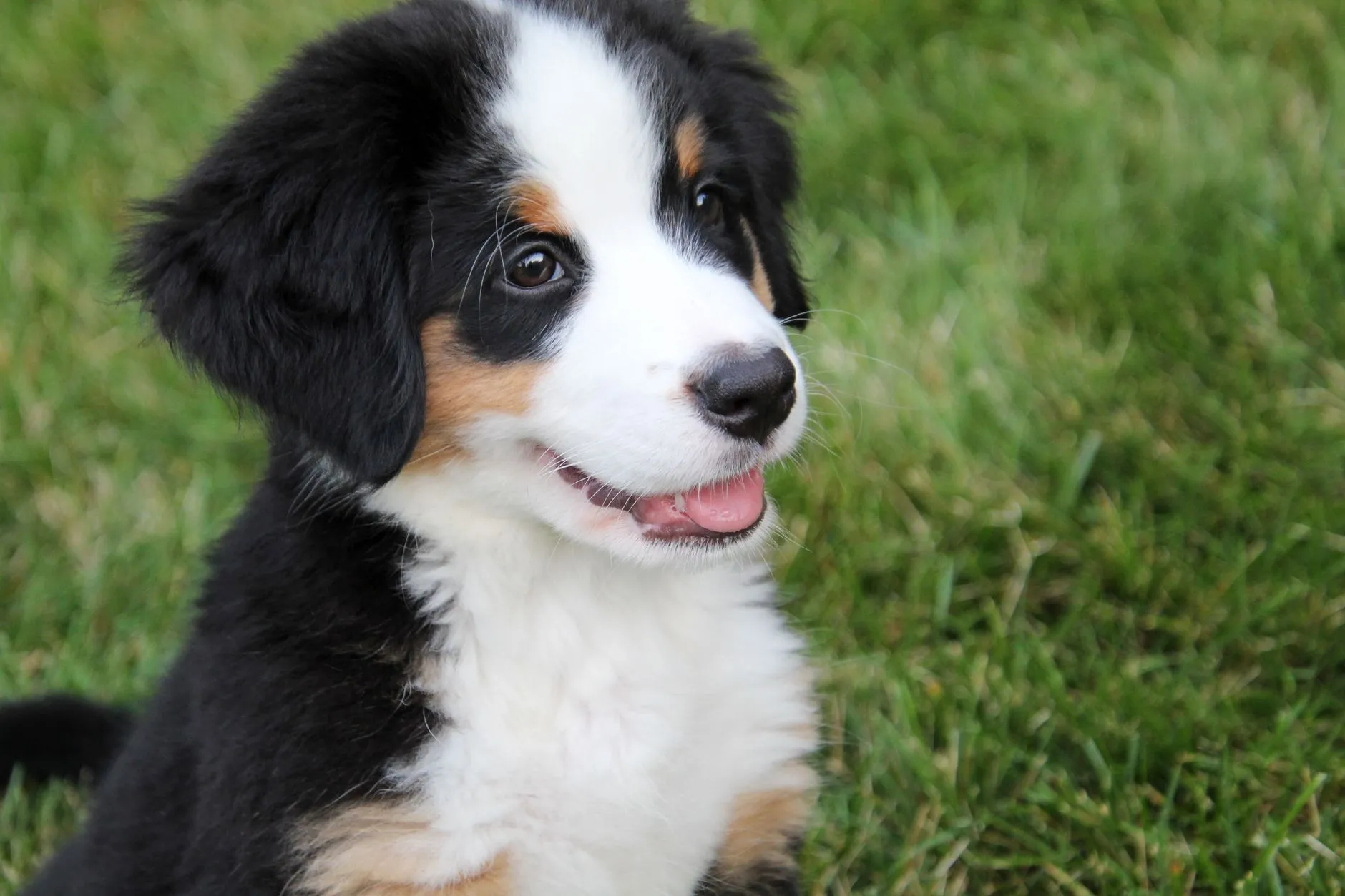
Bernese Mountain Dog
70–115 lb · giant
-
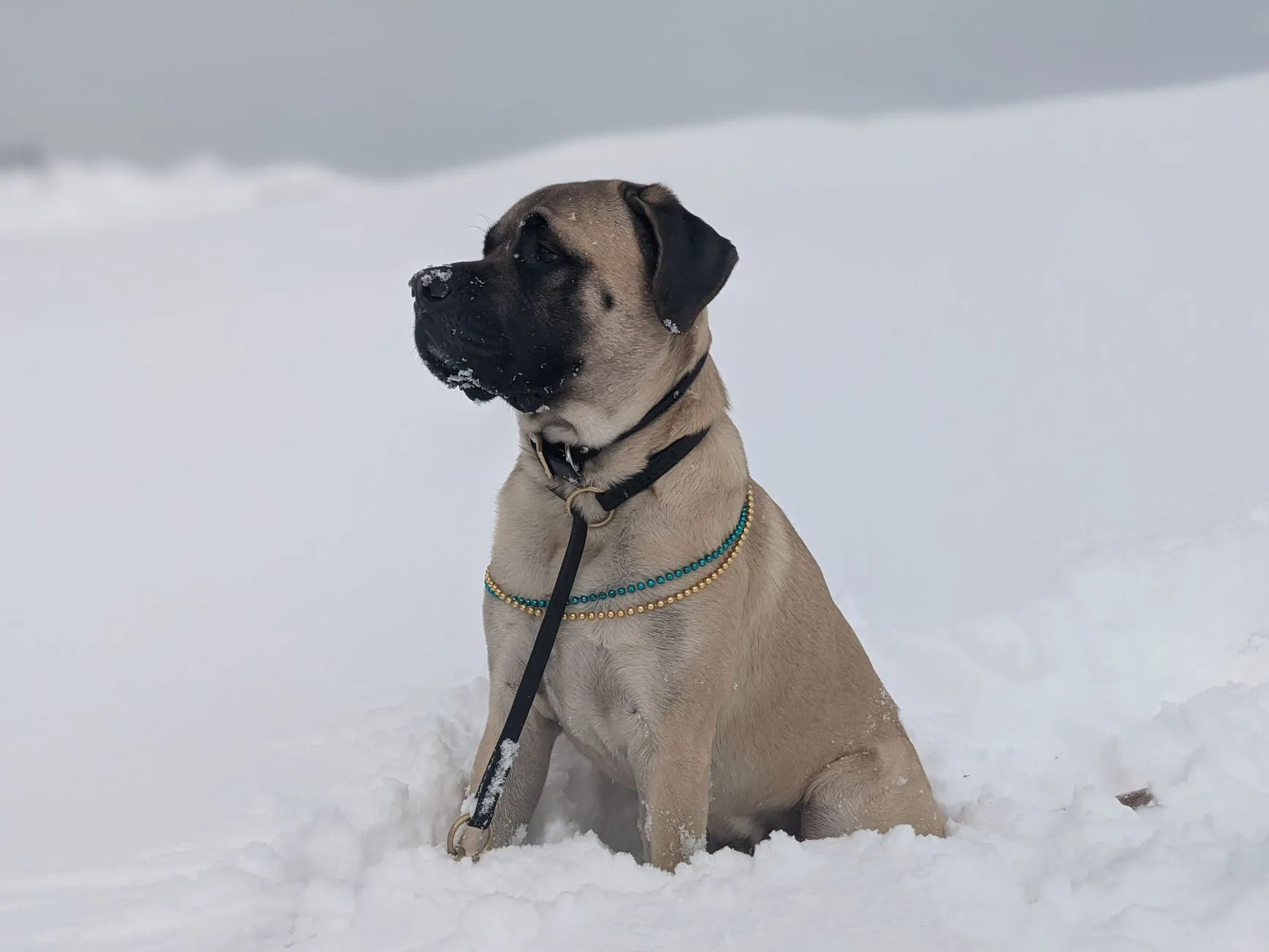
Mastiff
120–230 lb · giant
-
Mixed breed
Not sure of the mix? Use the estimate tool →
How the puppy weight calculator works
A growing puppy puts on weight along a fairly predictable curve, and the shape of that curve depends on how big the dog will eventually be. Small breeds shoot up fast and finish early; giant breeds grow more slowly and keep filling out for up to two years. Because of that, the same weight at the same age means very different adult sizes for a Yorkshire Terrier and a Great Dane.
The calculator uses the age-percentage method: it works out what fraction of its adult weight a puppy of your dog’s size class has usually reached at its current age, then divides the current weight by that fraction. Published milestones anchor the curve — for example small breeds are about a quarter of their adult weight at 6 weeks, and most dogs reach roughly three-quarters of adult weight by six months.
Treat the result as a well-grounded estimate, not a guarantee. Real growth is affected by genetics, nutrition, neutering and health, so we show a likely range as well as a single figure. For anything health-related — your puppy seems over- or under-weight, or isn’t growing as expected — talk to your vet. Expecting a litter? Our dog pregnancy estimator works out the due date and a week-by-week timeline.
Puppy weight questions
- How big will my puppy get?
- Enter your puppy’s current weight, age and expected size class. We divide the current weight by the fraction of adult weight a puppy of that size has usually reached at that age, giving a predicted adult weight and a likely range.
- How accurate is a puppy weight calculator?
- Predictions are usually accurate to within about 10–15% when you know the breed or size class. Accuracy improves after 8 weeks of age, and the range narrows as the puppy grows. It is an estimate — your vet can assess your individual puppy.
- At what age do puppies stop growing?
- Small breeds finish around 8–12 months, medium breeds around 12–14 months, large breeds around 14–18 months, and giant breeds can keep filling out until about 24 months.
- Can I predict a mixed-breed puppy’s adult weight?
- Yes — use the mixed-breed version. Because parentage is uncertain, pick the size class that best matches your puppy (or average the two parent sizes) and expect a slightly wider range.